
about whistle punk flowers
ABOUT
Deanna
Deanna is a 1st generation farmer.
She grew up on Priest Lake in northern Idaho, surrounded by mountains, trees, and the kind of quiet that leaves room for paying attention. She lived there through childhood before moving to Coeur d’Alene, then Spokane, and eventually realized she felt most like herself farther north, closer to the landscape she was raised in. In 2021, she moved back into the mountains, looking for work that felt grounded and real.
In October of that year, she decided to start farming flowers. It wasn’t a gradual plan or a shared announcement. She didn’t talk it through or crowdsource opinions. She just started learning. At the time, she had never grown a garden or started a plant from seed. What she did know was that she wanted work that was physically demanding, kept her outside, and required problem-solving rather than posturing.

She has always been a hard worker first and a creative second. Flower farming fit that instinct perfectly. It demanded discipline, math, planning, and a tolerance for risk while the creative side followed naturally. The farming side stuck because she’s good at seeing problems, making decisions, and carrying the weight of those decisions towards a dream.
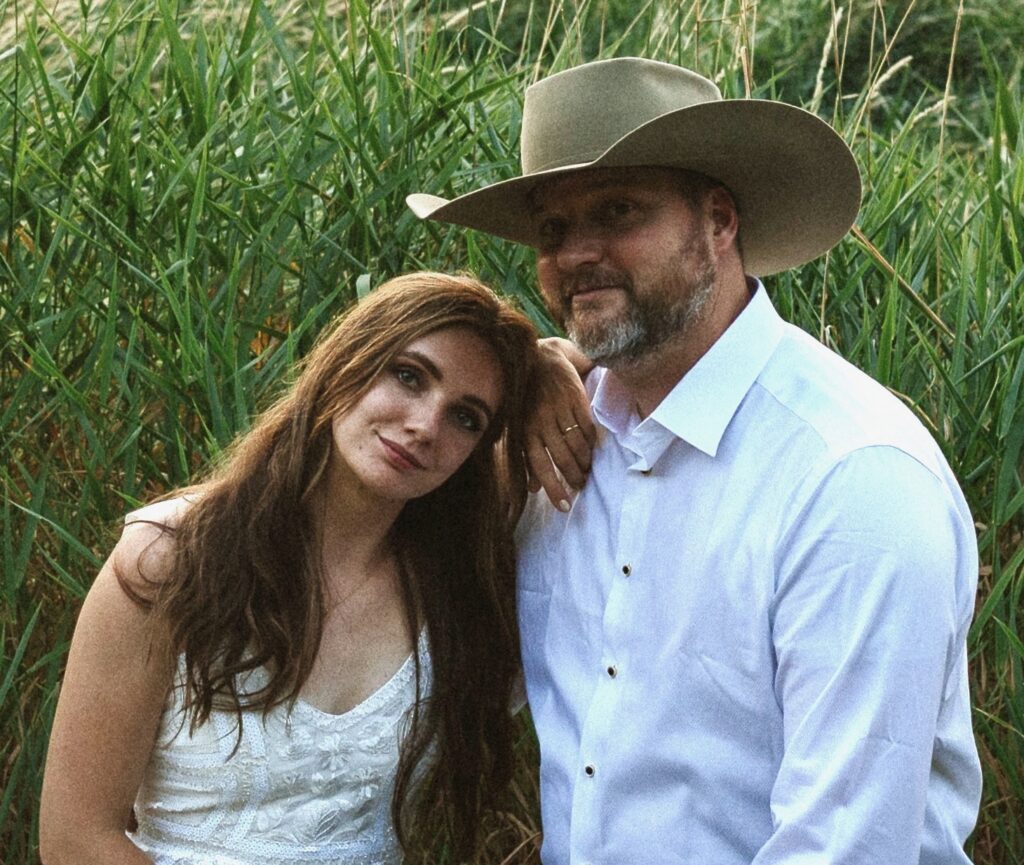
Dreams like this aren’t built alone.
Deanna is married to her husband, Chris, and they share the work of building this dream.
Chris has wrapped market bouquets, arranged wedding florals and installations, and followed Deanna down logging roads to scrounge up greenery and branches. He has shown up in every part of the farming side, from irrigation and planting seedlings to moving greenhouses.
He does all this while carrying his own work on the livestock side, moving between worlds and interweaving them into one dream. His support is constant and comes with very little fanfare.
His presence underpins the farm in ways that are not always visible. He steadies the days when things go wrong and supports the ones that go right. The farm is shaped by shared effort, shared risk, and a quiet understanding that the work matters.
The choice
to farm flowers
Flowers weren’t chosen because they were easy or romantic. They were chosen because there was a gap.
In this region, quality flowers for weddings were limited, and most available stems were shipped long distances before ever being used. As Deanna learned more, she was surprised by how little of the cut flower supply in the United States is actually grown here. Roughly eighty percent is imported. That disconnect didn’t sit right.

Farming flowers became a way to take control of quality and origin at the same time. It was riskier, more expensive, and far more labor-intensive than sourcing flowers. It was also the only option that made sense if the work was going to be done well.
This is not a profession built on certainty. Farming is a profession of hope. Weather destroys plans. Crops fail. Timing is unforgiving. And every season, you do it again anyway, knowing full well that nothing is guaranteed.

How We Farm
Whistle Punk Flowers is built around responsibility to the land and the reality that farming is a long game. Every decision made in the field carries weight, not just for the current season, but for the health and viability of the farm as a whole. That means paying attention, moving carefully, and resisting shortcuts even when they would be easier in the moment.
Deanna approaches farming as systems work. Soil health, plant stress, weather patterns, pests, and timing all interact, and no single decision exists in isolation. Intervening too quickly can cause as many problems as waiting too long. Every choice is a balance between what the land needs to stay healthy long-term and what the operation requires to stay financially sustainable in the short term.
This farm is not run on autopilot. It requires constant observation, adjustment, and accountability. That responsibility comes first, because without it, nothing else works.
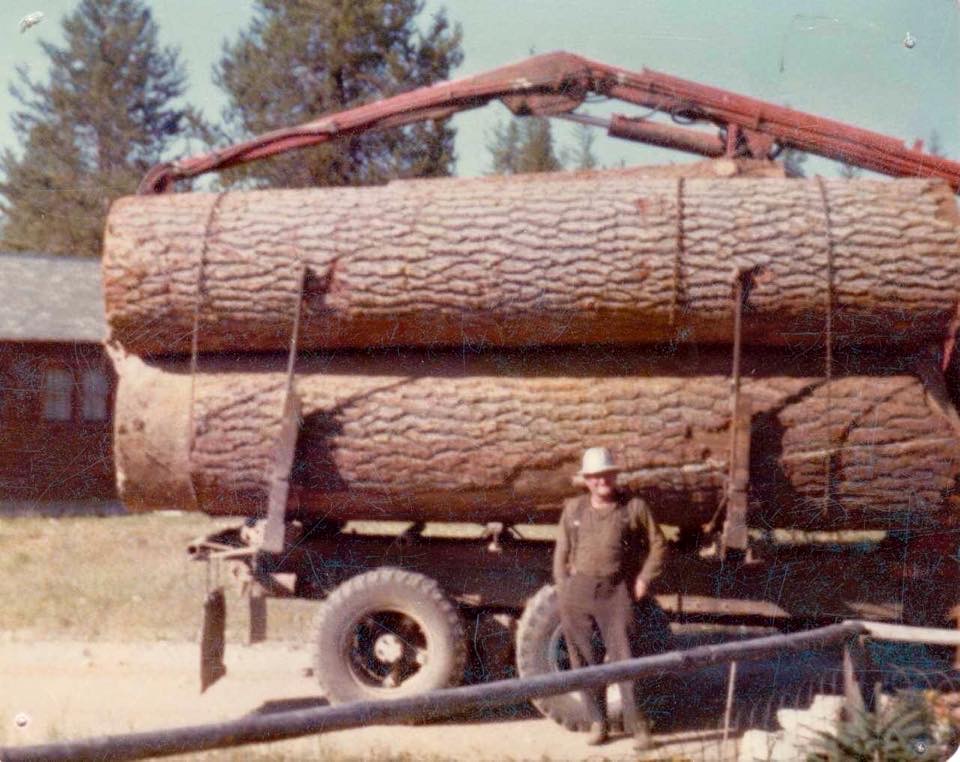
THE NAME: WHISTLE PUNK
A whistle punk worked in early logging operations, operating the steam whistle that signaled engineers when to move, stop, or release logs. It was dangerous work that required attention, timing, and a deep understanding of the system as a whole. A wrong signal could damage equipment or cost someone their life.
Deanna’s Great Grandpa Perry was a logger. The name Whistle Punk is a nod to working-class roots and to the kind of labor that doesn’t get romanticized but holds everything together. It reflects a respect for skill, grit, and responsibility.
One of her earliest memories of flowers comes from her great-grandfather’s cabin near Priest Lake. Every spring, his entire front yard was nothing but daffodils. No beds. No order. Just daffodils filling the space around the cabin.
She remembers the warmth of the sun and how it pulled their smell up out of the ground after winter. That memory stuck, not because it was pretty, but because it came at the end of hard seasons, in a place shaped by work and weather.
Farming isn’t all that different. The work depends on reading signals, making calls at the right moment, and taking ownership of what happens next. You can’t fake it. You have to know what you’re doing, because the consequences are real.